c.1936
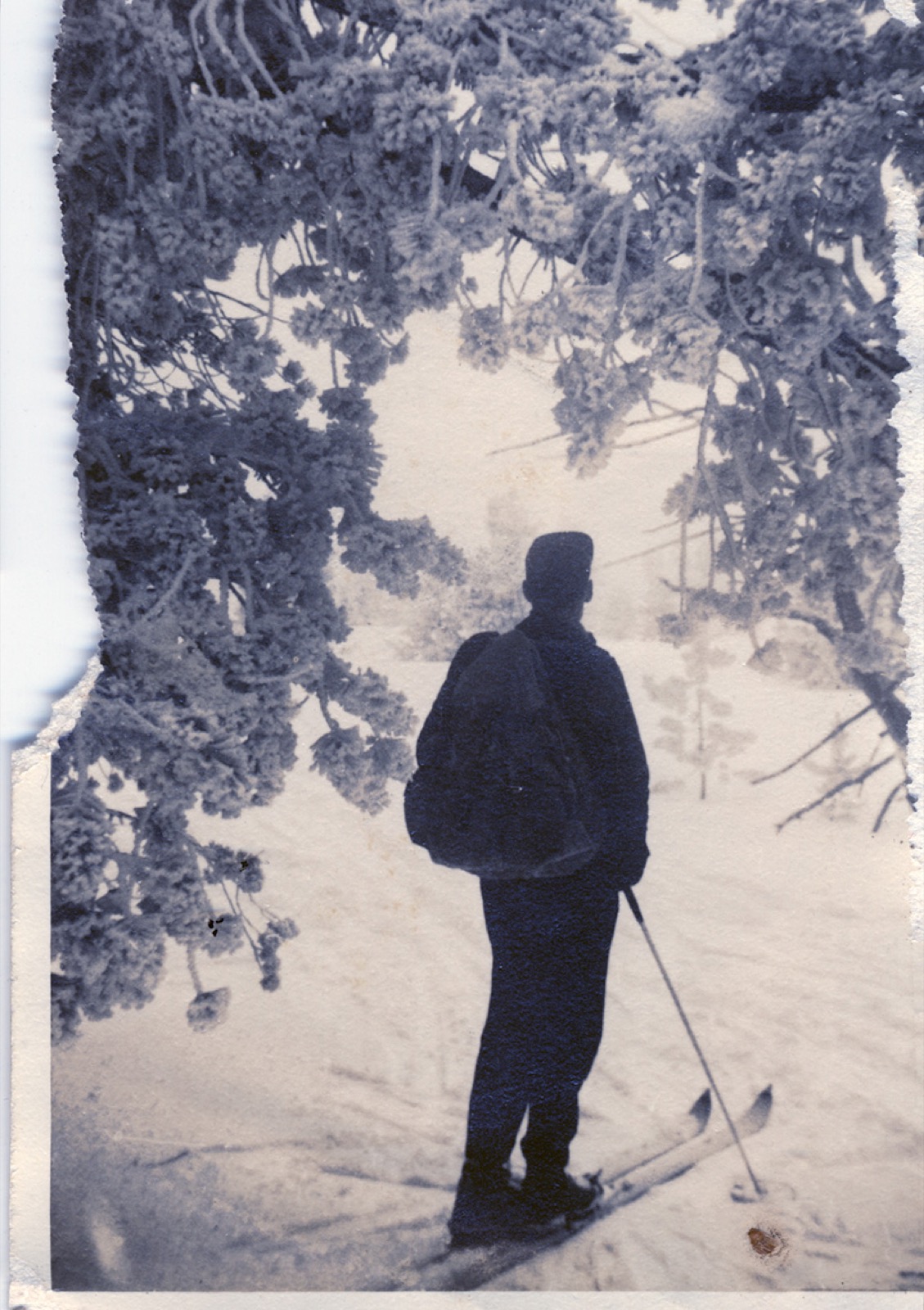
Skiing begins in the Neihart area, in O’Brien Gulch. The ninetieth anniversary counts from here.
1937–38
Great Falls skiers travel to Neihart. Runs in use: Johnson Gulch, O’Brien Gulch, the schoolhouse hill, the Silver Dyke mine road, and a fast run cut along the power-line clearing.
Jan 23 1938
The first ski train runs to Neihart — four cars, 125 skiers, $2.05 a ticket, organised by Sam Stephenson Jr. The mayor of Neihart meets the party and offers them the run of the town.
Feb 1938
Organisation of the Great Falls Ski Club is “perfected.” Sam Stephenson Jr. president, James McFarland vice-president, Lillian Willcomb secretary-treasurer. Dues $1 a season, 50¢ under 18.
Feb 27 1938
A chartered bus runs beyond Neihart to the top of Kings Hill — the first organised trip to the site the area still occupies.
1938–39
The first rope tow is built on what the club votes to name Bovey Slope. One thousand feet of endless rope, two hundred yards off the highway, with a warming house alongside.
Mar 1939
First club championships. Dan Thorson wins downhill, slalom and combined.
Fall 1939
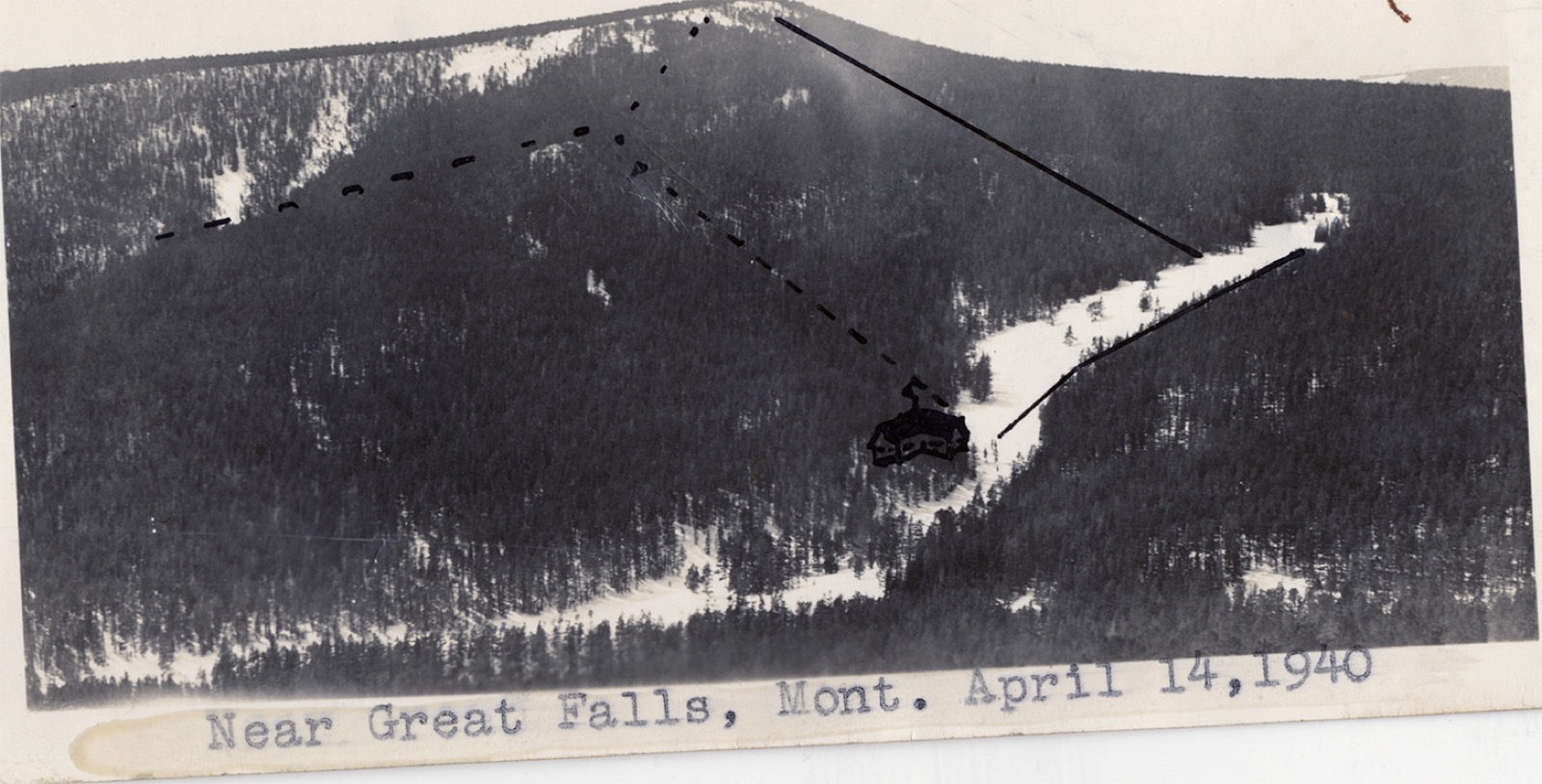
The Forest Service lays out a run to the top of Porphyry Peak; CCC crews clear it. Three-quarters of a mile, 1,400 feet of drop, a twenty-five-foot cut.
Dec 1939
The second lift goes in — 2,500 feet to the summit, up the run the club names Prentice Run. Membership reaches 200.
Jan 21 1940
The Kings Hill course is dedicated before more than 500 people and the mayors of Great Falls, Neihart, Belt and White Sulphur Springs. A bomb gives the signal to send a skier through the tape.
Spring 1940
The Great Falls Ski Patrol is formalised under Robert Selzer — and the U.S. Forest Service authorises it to enforce safety on the course.
1940–41
Kings Hill is listed in Ski West, the federal winter-sports guide: one of twenty-five Montana points across eleven western states.
1941–42
The war takes the club. Club president C. Edgar Schenck enlists in the First Ski Battalion of the 87th Infantry. The CCC is dissolved. The record goes quiet.